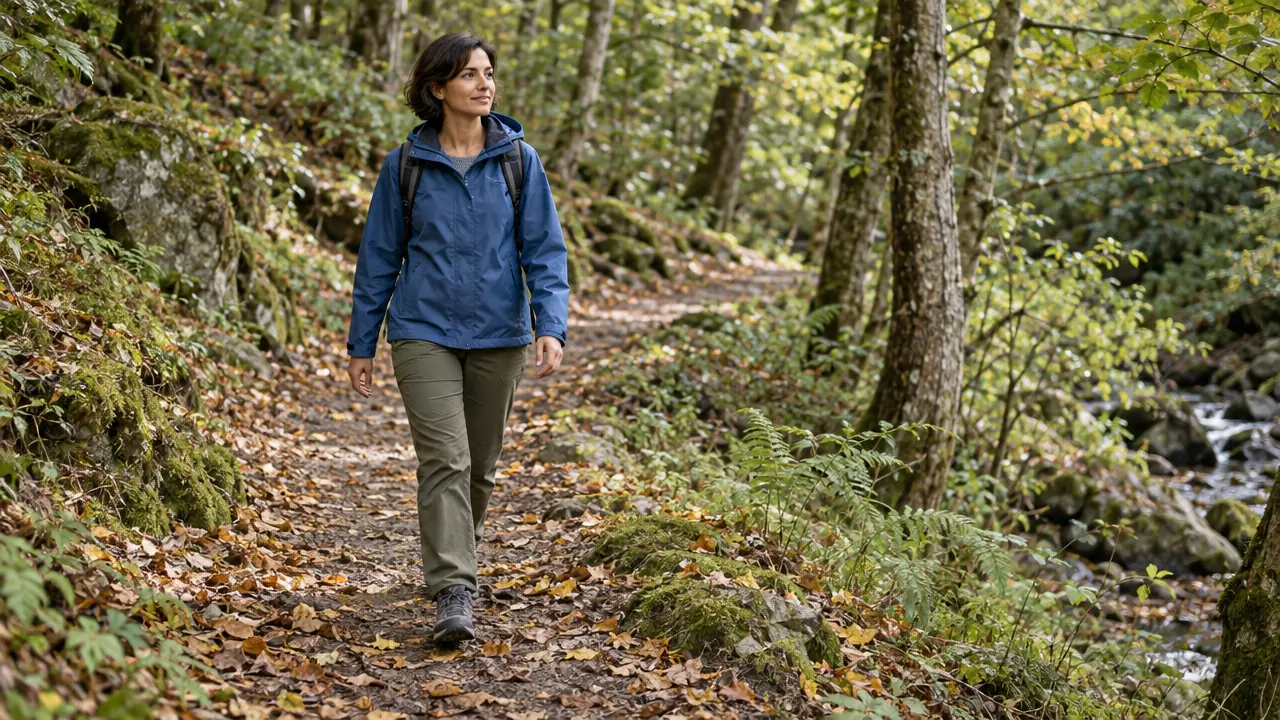
Whatever the season, a walk outdoors can also be a chance to practise mindfulness. Mindful walking means paying attention to the experience of moving, rather than treating the journey only as a way to get somewhere. It does not require you to sit still, find a quiet room or walk alone. Even an ordinary route can give you something to notice.
For many people, focusing while the body is still can be difficult. That helps explain why contemplative movement takes so many forms across cultures, including ritual dance, sport and martial arts. People who have taken a mindfulness course often describe walking as a favourite practice and one they are particularly likely to continue.
Walking is already part of everyday life for many of us. Like breathing, it can happen with little conscious attention. Choosing to notice it changes the experience: familiar steps become something to explore, while the surroundings offer a different perspective from the ones we encounter indoors or on digital devices. The activity stays the same; what changes is where you place your attention.
Richard Louv has written about what he calls “nature-deficit disorder” and its possible effects on physical and emotional wellbeing. The phrase describes a concern about limited contact with nature, rather than a diagnosis. He suggests that even brief exposure to green spaces can support happiness and attention.
The Japanese practice often called “forest bathing” has also attracted interest around the world, alongside research into its effects on mind and body. Trends aside, many people recognise how a mountain, beach, forest or garden can feel soothing when emotions are unsettled. Natural places can also prompt observations, lessons and metaphors of their own.
Mindful walking brings attention to movement while combining mental engagement with physical activity. Studies discussed in this context suggest that 20 minutes of light walking may help with mild depression, anxiety and attention, as well as physical wellbeing. A walk is not a promise of relief, but it can be an opportunity to spend time outside, especially on a stressful day.
There is no need to use every technique on a single outing. The following six approaches offer different things to notice: your steps, words, senses, body, surroundings and emotional responses. You can try one at a time, return to a favourite or see how the same route feels when you change your focus. None requires a special destination.
Six ways to practise mindful walking outdoors
Start with the movement itself
The simplest mindful walking practice is to notice that you are walking. Let physical sensations give your attention somewhere to rest. If you realise you have been moving on autopilot, ask yourself, “How do I know I am walking?” Then check what your senses tell you, without needing to change your pace or turn the question into a test.
Begin with your feet meeting the ground. Notice the pressure beneath each foot and the work of your muscles, particularly when the surface changes. A different texture underfoot may make a familiar step feel new. Follow the movement through your legs, rather than concentrating only on where you are going.
Bring the rest of your body into view as well. What are your arms, torso, spine and head doing? Notice the gentle rocking as your weight shifts. You may detect small changes in your pulse, temperature or rate of breathing before you set off, while you walk and after you stop. Simply observe what you find at each point.
In seated mindfulness practice, the breath can serve as an anchor, including the brief stillness between breathing in and breathing out. Walking offers a comparable pause. See whether you can notice the moment one step gives way to the next, as a right step becomes a left step and then changes back again.
Use words and phrases
Words can give attention a simple rhythm. Try counting in time with your footsteps. When your mind wanders and you lose your place, notice where it went, then begin again at one. The point is not to reach a particular number or to judge yourself for becoming distracted; returning is part of the practice.
You can also pair your steps with a short expression of gratitude or compassion towards your feet and body. This is an approach found in Christopher Germer and Kristin Neff’s Mindful Self-Compassion programme. The words can be silent, so they need not interrupt the walk or involve anyone around you.
Another option is to repeat a reminder phrase quietly or internally. Mindfulness teacher Thich Nhat Hanh suggests: “I have arrived, I am home, in the here, in the now.” You might let each part accompany a step, paying attention to both the words and the movement beneath them. There is no need to match them perfectly.
Other phrases can be simpler still: “Nowhere to go. Nothing to do. No one to be.” Try them with successive footsteps if they appeal to you. You can use any of these suggestions, combine them or make up words that feel more fitting when you next go out.
Walk through your senses
For a sensory walk, turn towards what your five senses pick up as you move. This is another way to spend time with the present moment when thoughts are pulling you towards the past or future. It can also help you savour the opportunity to be outside and notice what is around you.
First, keep your eyes steady for a while and watch the view change. Shapes and objects move into and out of your line of vision as you walk, even though you are not deliberately looking from one to another. Notice the changing scene without needing to name everything you see.
Next, bring attention to the soles of your feet. Feel how contact changes from one surface to the next. Then listen: your footsteps have a sound of their own, while the sounds around you change as you pass through a place. Give each of these some time before shifting your focus.
Finally, notice any smells or tastes you can detect in the air. Do they alter as you move? This sequence is not a test of how keen your senses are. It is simply a way of letting sight, touch, hearing, smell and taste bring you back to the walk you are taking. You can move between them without trying to capture every detail.
Scan your body as you walk
A body-awareness walk is like a body scan in motion. Instead of trying to monitor everything at once, rest your attention on one area, then move it gradually. Start with your feet and, in particular, the sensations at their soles as they meet and leave the ground.
After about twenty steps, one block or five minutes, shift your attention to your ankles and calves. Spend a few minutes there before noticing the bend of your knees. These intervals are only prompts for moving your focus along; the important part is giving each area a chance to register. You need not keep a precise count.
Continue to your hips, noticing both sensation and movement. After a while, turn to your hands and arms. They might fall naturally by your sides or swing as you go. Observe what they are doing rather than arranging them into a particular walking style.
Next, bring awareness to your torso. You may notice sensations inside your body, including the activity of your heart and lungs, and whether anything seems different after you have been walking. Then move to your neck and shoulders, giving them a few moments of attention.
Finish at your head. Notice its slight movement up and down with each footstep. You can keep scanning as the walk continues, returning to an area or moving through the sequence again. The sensations may change over the course of the route; observing that change is itself part of the practice.
Look for what you appreciate
An appreciative walk directs attention towards something positive or beautiful nearby. This can offer a counterweight to the “negativity bias” that draws attention towards what feels wrong or threatening. Experiments suggest that noticing beauty while walking can have an effect on mood that lasts after the walk, much as gratitude and appreciation practices can.
Look for one thing that catches your attention. It could be a tree beginning to blossom, an attractive shaft of light, or a house or car painted a colour you particularly like. Beauty need not be dramatic: something funny or a small act of kindness might be the moment you remember. What matters here is noticing it as you pass.
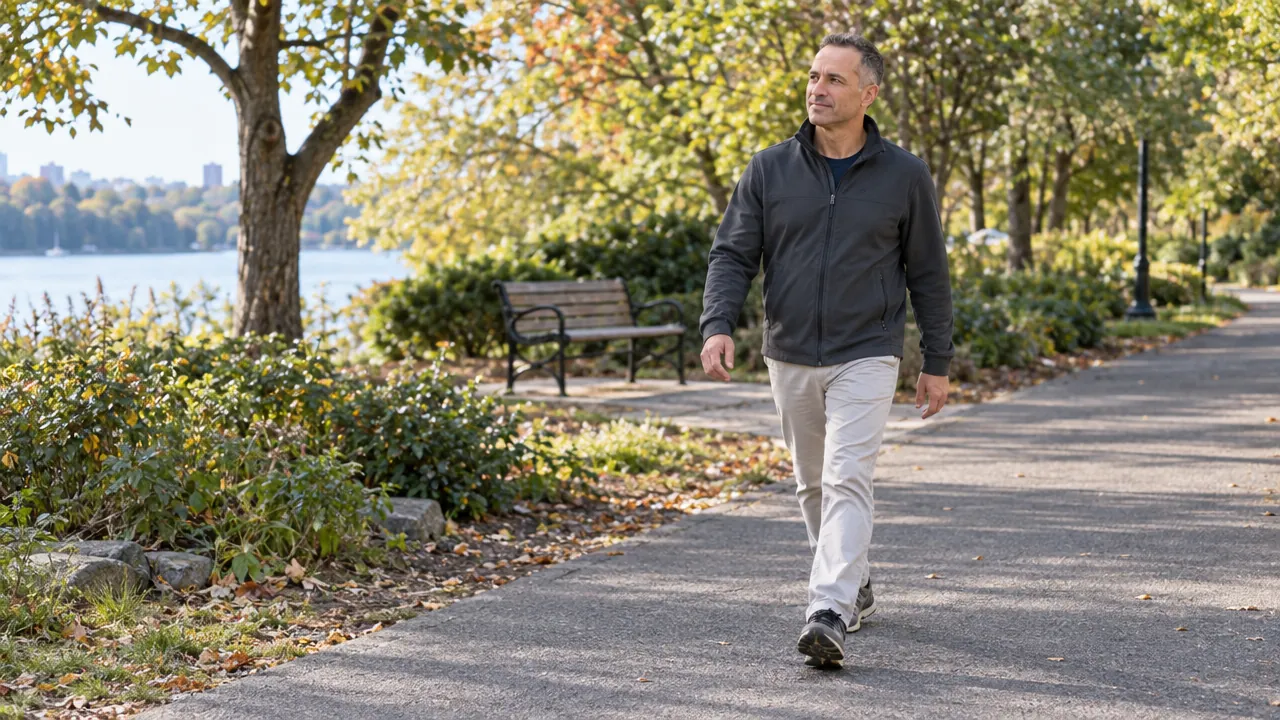
Make a habit of noticing one such thing during a walk. If you wish, record it in a journal afterwards, tell family about it when you return or share the observation with others online. The aim is to give the moment your attention, not to find something impressive enough to report.
A familiar route offers another possibility. Rather than assuming it will look the same, notice what changes from day to day as the seasons move on. Sights, physical sensations, smells and sounds may all shift gradually. Ask yourself what is new today, however small it appears.
You could also compare the same route at different times of day, or on a weekend and a weekday. What do you notice on one walk that escaped you on another? Repeated visits give you a way to observe change in a place you may have thought you already knew.
Observe your emotions and your pace
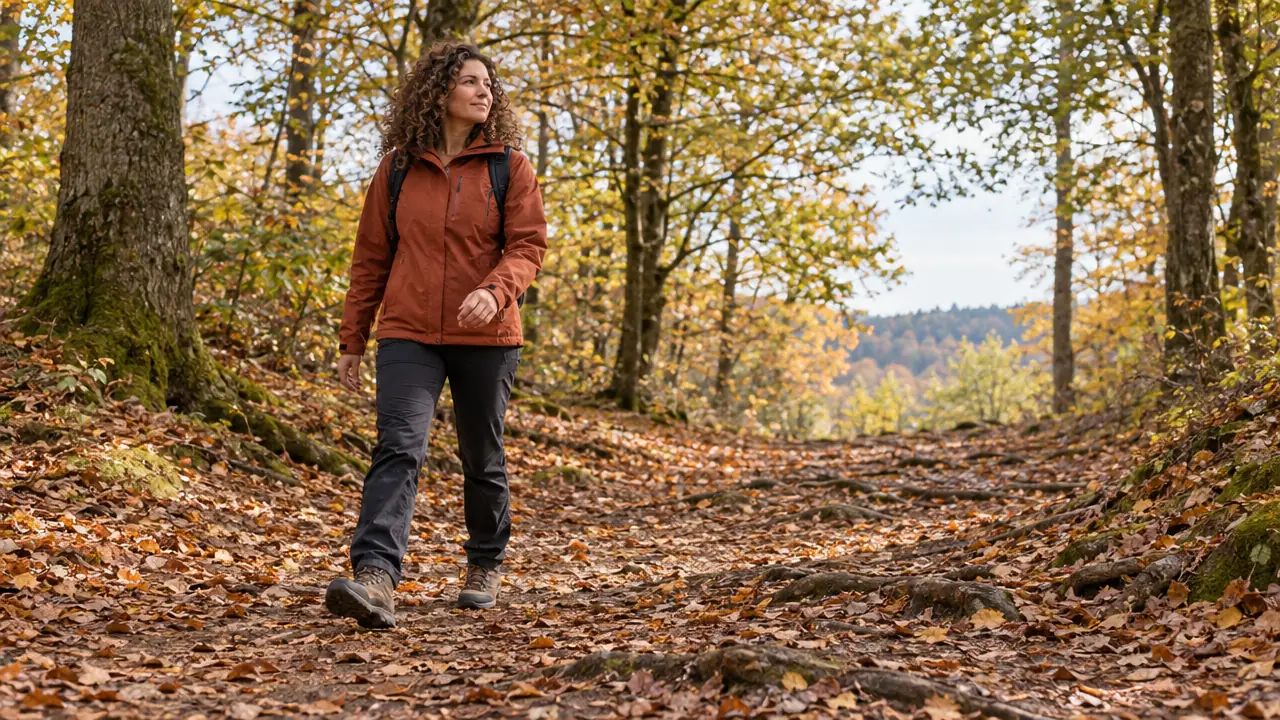
Walking also gives you a chance to notice your emotional experience. Pay attention to reactions to places, objects and people, particularly when someone or something comes close to your personal space. You might feel briefly self-conscious passing another person, pleased to step into sunshine or slightly apprehensive at the sight of a hill. Small reactions count too.
Notice how those feelings affect the way you walk and what you observe. Then consider the relationship in the other direction: does your manner of walking affect your mood or your view of the surroundings? The answers may differ when you feel happy or sad, calm or anxious, frustrated or relaxed.
If you want to explore this deliberately, briefly change the character of your walk. Try moving as though you feel fearful or anxious, then as though you are weighed down by shame or distracted. After that, try walking confidently before returning to your usual rhythm and gait, if you can find them.
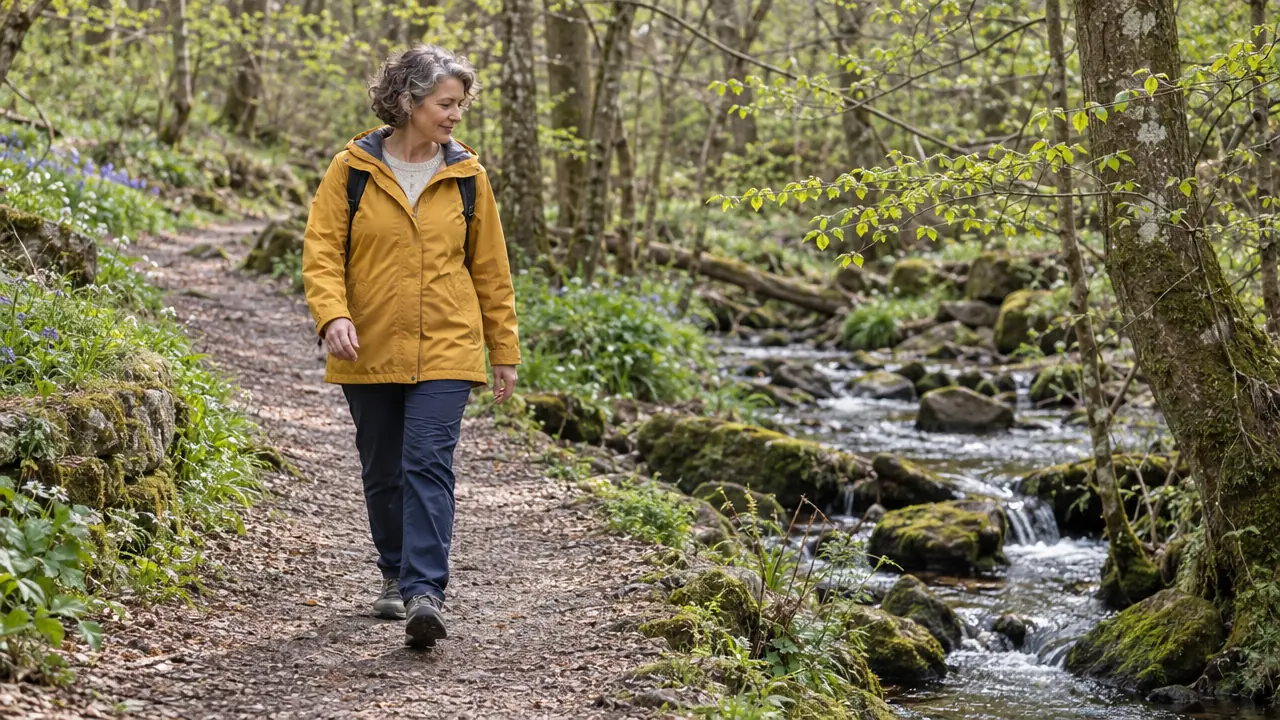
Reflect on what shifted in your posture, pace and attention. Where does your ordinary way of walking seem to sit among those different moods? You may find that an imagined emotion changes what you notice, or that changing your movement alters how the environment feels to you.
For instance, walking as though sad may leave your eyes downcast and make you notice less of what is around you. Walking confidently might leave you feeling more confident. This idea is sometimes connected with Amy Cuddy’s research on “power poses”; on your walk, the useful question is what you actually observe, rather than what you expect to feel.
Mindful walking can make a familiar neighbourhood or the area around your home feel more closely known. Its focus is the here and now, whether you are attending to one step or noticing a seasonal change. Outdoor routes also offered space to explore during periods of social distancing.
On your next walk, choose one of these six approaches and see what it brings into view. You can return to another on a different day. The route may be familiar, but your attention need not follow exactly the same path each time.