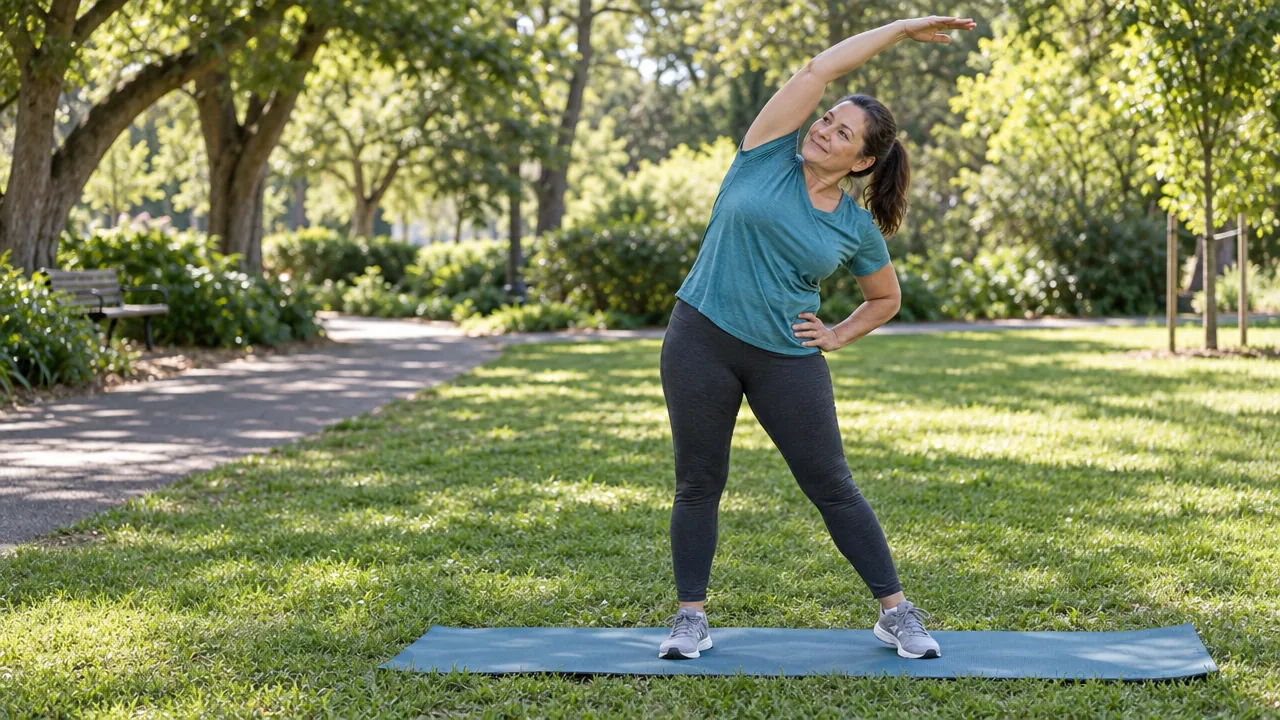
Perimenopause can bring changes that feel unexpected. Staying active is one way to support how you feel, both physically and mentally, as you move through this stage of life. The activities that suit you may change over time, but movement can remain part of your routine.
What happens during perimenopause?
Perimenopause is the natural transition towards menopause. Menopause is the final menstrual period, marking the end of the reproductive years, but the transition does not happen overnight. Perimenopause can last several years and begins with the first signs of irregular periods.
During this time, levels of oestrogen, an important hormone for reproductive health, fluctuate considerably. They decline after menopause. These hormonal changes can affect more than reproductive health: muscles, bones, the heart and the brain may also be affected.
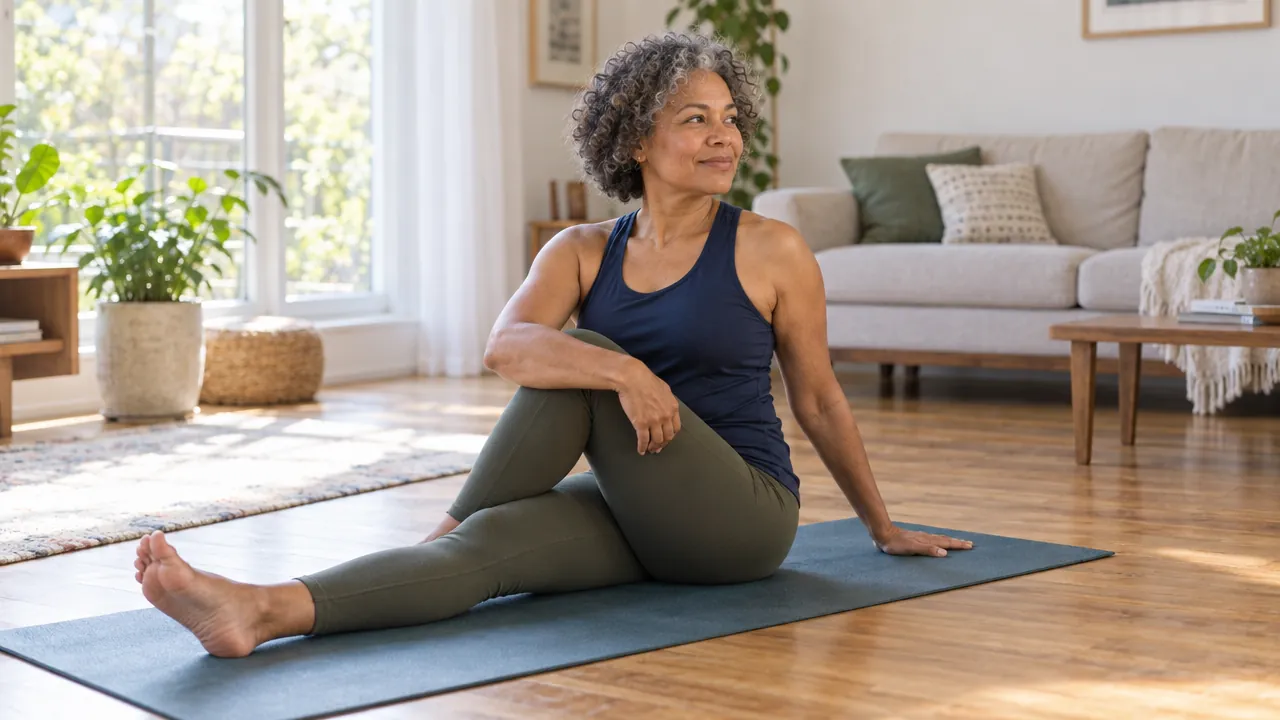
Experiences vary. Some women have hot flushes, disrupted sleep, changes in mood, difficulty thinking clearly or joint pain. Others describe a less specific feeling of not being themselves. The perimenopausal period is also associated with an increased risk of chronic conditions, including cardiovascular disease and type 2 diabetes.
How can activity help?
Regular physical activity supports both body and mind. Research suggests that being active during perimenopause can improve sleep quality and ease symptoms of insomnia. It may also reduce the occurrence of hot flushes and improve mental health and wellbeing.
Activity can support bone health and reduce the risk of low bone density, osteoporosis and fractures. It can also reduce the risk of cardiovascular and metabolic conditions, including high blood pressure and type 2 diabetes. These potential benefits make movement worthwhile even when the changes of perimenopause make established routines feel less straightforward.
What kinds of movement count?
The Australian Government’s 24-hour movement guidelines recommend that adults aged 18 to 64 aim for at least 2.5 hours of moderate-to-vigorous physical activity each week. That works out to about 30 minutes on most days. The same Australian guidelines recommend several hours of light-intensity activity each day. These are Australian recommendations, not UK guidance.
Moderate-intensity options include brisk walking, golf and mowing the lawn. Jogging, football and netball are examples of vigorous activity. Gentle walking, casual gardening, stretching and light household chores are lighter-intensity ways to move. The different examples show that activity does not have to take a single form.
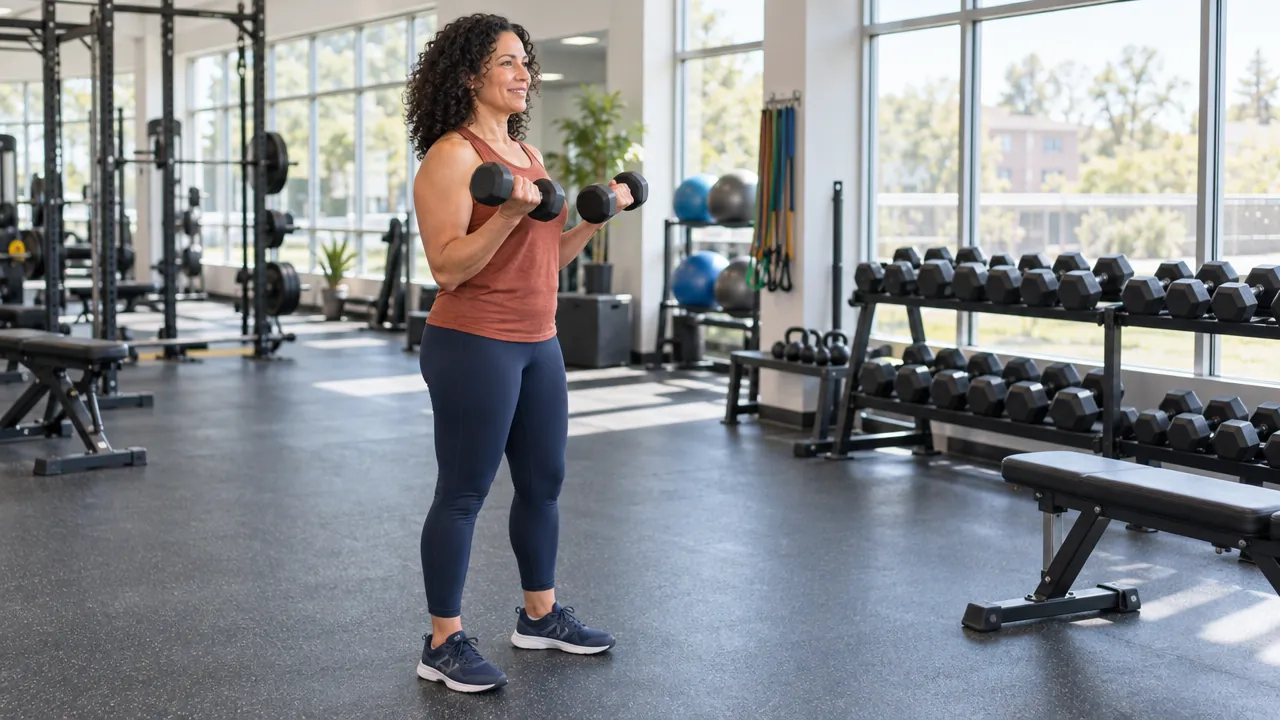
The Australian guidelines also recommend muscle-strengthening activities on at least two non-consecutive days each week. Lifting weights is one option; household tasks involving lifting, carrying or digging can also work the muscles. Keeping these activities in mind can help you include strength alongside movement that raises your heart rate.
The most useful activity to choose is one you enjoy. Dancing, hiking or gardening may appeal more than a structured session. Moving in ways that raise your heart rate and strengthen your muscles can support your health while giving you choices that fit your preferences.
Other considerations for staying active
Weight-bearing movement
Bone mineral density describes how dense or thick bones are. It naturally declines during perimenopause and continues to decrease over the ten years after menopause. Lower bone density increases the risk of fractures, which makes bone health an important consideration when choosing activities.
Weight-bearing movement can help keep bones strong. Examples include dancing, hiking, pickleball and resistance training. These offer different ways to include activity that places weight on the bones, rather than relying on only one type of exercise.
Pelvic floor training
The pelvic floor is a group of muscles that supports the pelvic organs. Changes in hormone levels during perimenopause can weaken these muscles and contribute to symptoms such as urinary incontinence. Like other muscles, however, the pelvic floor can be trained and strengthened.
Pelvic floor exercises involve more than squeezing. Pay attention to controlling both the contraction and the relaxation: the release matters as well as the squeeze. Focusing on both parts can help you practise the movement deliberately.
It may be easier to remember these exercises when they are linked to something you already do each day. You could practise while brushing your teeth, waiting for the kettle to boil or lying in bed before you fall asleep.
Practical ways to stay active
Warm up before activity and cool down afterwards. Both can help your body adjust to movement and reduce the risk of injury, whether you are returning to a familiar activity or trying something different.
Take care with high-impact movement if you have lower bone density. In particular, avoid activities with a high risk of falling, such as movement on unstable or slippery surfaces. An exercise professional can offer additional guidance if you would like help choosing suitable activities.
If hot flushes affect you, consider where you exercise. Cooler surroundings or a shaded area can help minimise triggers while allowing you to keep moving in a way you enjoy.
Keeping active after perimenopause
Movement remains important beyond perimenopause. Your response to exercise, and the kinds of activity you prefer, may change with time. Continuing regular exercise that challenges both aerobic and muscular fitness can support long-term health. Weight-bearing movement and pelvic floor training can remain part of that mix.
When to seek support
If you are new to exercise, want to try something different or have particular health concerns, speak to a GP or an exercise professional. They can help you find an approach to staying active that suits you during perimenopause and beyond.