Early starts, long shifts and little access to a kitchen or electricity can make eating well difficult for tradespeople and other workers on the move. When breaks are short, picking up whatever is nearest can seem easier than packing food before leaving home.
Yet depending on takeaways or sugary snacks can contribute to energy dips, reduced concentration and feeling exhausted before the working day ends. A little preparation can make a nutritious lunchbox practical, even when there is nowhere to cook or reheat a meal.
Why balanced meals matter at work
Physical work needs adequate fuel. Missing meals or relying on highly processed foods is unlikely to sustain energy throughout a demanding day. A balanced diet helps maintain energy, supports muscle recovery and aids concentration, which matters particularly when working with tools or driving.
Variety is important too. Eating a range of nutritious foods supplies the energy, protein, essential fats, vitamins and minerals the body needs to function properly. The aim is not simply to fill a lunchbox, but to include foods that meet those different needs.
Carbohydrates and protein both have a role
Carbohydrates sometimes receive negative attention, but they are a primary source of fuel for muscles and the brain. For someone doing physically demanding work, choosing suitable carbohydrate foods is an important part of keeping going through a long shift.
The Australian Dietary Guidelines recommend grain foods that are mostly wholegrain and/or high in fibre. Wholegrains, brown rice, oats and barley break down more slowly than refined options such as white bread or sugary cereals, helping blood sugar remain steadier and energy last longer.
Protein supports muscle repair and maintenance when the body faces daily physical demands. Protein-rich foods can also help you feel full until the next break. The guidelines recommend lean meat or alternatives such as eggs, legumes, tofu and dairy, giving plenty of options for meals and snacks.
Lunches that work without a kitchen
Packing lunch ahead of time makes it easier to avoid relying on the nearest takeaway. It need not mean spending another long stretch cooking after work: many useful options can be prepared the evening before or assembled quickly in the morning.
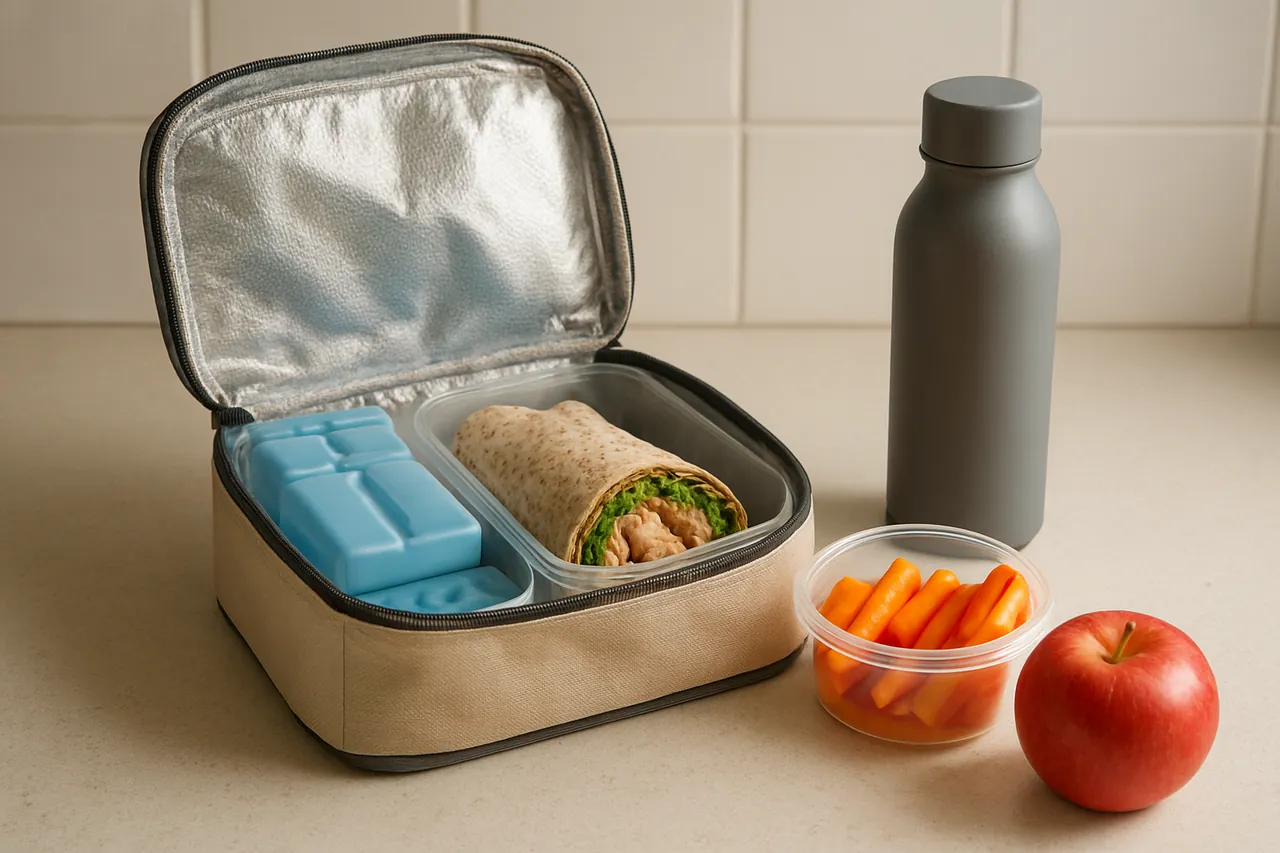
Wholegrain sandwiches or wraps can hold roast chicken, tinned tuna, boiled eggs or hummus, along with salad. Cold pasta or quinoa salads offer another option: combine them with chicken, chickpeas or tuna and plenty of vegetables for a meal that travels well.
Dinner leftovers can also become lunch. A stir-fry with rice, or roasted vegetables with lean meat, can be eaten cold the following day. Alternatively, put together a snack box containing cheese, boiled eggs, wholegrain crackers, raw vegetables and fruit.
For breakfast or a substantial morning snack, try overnight oats with yoghurt, berries and seeds. Portable snacks include apples, bananas, nuts, trail mix with minimal added sugar, and homemade protein balls. Keep perishable choices chilled while travelling and working.
Small swaps that improve everyday meals
Improving a packed lunch does not require changing everything at once. Replace white bread with wholegrain bread, and choose plain water or flavoured soda water rather than sugary drinks. Plain yoghurt mixed with lemon juice can take the place of creamy salad dressings.
Add grated carrot, canned beetroot or sliced pepper to sandwiches and wraps to increase their vegetable content. These small changes can increase fibre, support steadier blood sugar and help you feel satisfied, while reducing unhealthy fats and sugars and supporting energy throughout the day.
Keeping packed food safe in warm weather
Hot conditions make safe storage especially important. Queensland, for example, can experience daytime heat at any time of year. Food is best kept outside the temperature danger zone of 5°C to 60°C, where bacteria can multiply quickly and increase the risk of foodborne illness.
Pack perishable foods, including dairy products, meat and cooked rice or pasta, in a cooler or insulated lunch bag with ice packs. Frozen water bottles can replace ice bricks: they stay cold longer and provide a drink once they have melted.
Keep the lunchbox away from direct sunlight and avoid leaving it inside a hot vehicle. Preparing a balanced meal is only part of the job; keeping it safely stored matters too.
A manageable routine for busy working days
Eating well on the move need not be complicated or time-consuming. Combining quality carbohydrates, protein and other nutritious foods with a little preparation makes it easier to fuel a physical working day, even without access to a kitchen or microwave.