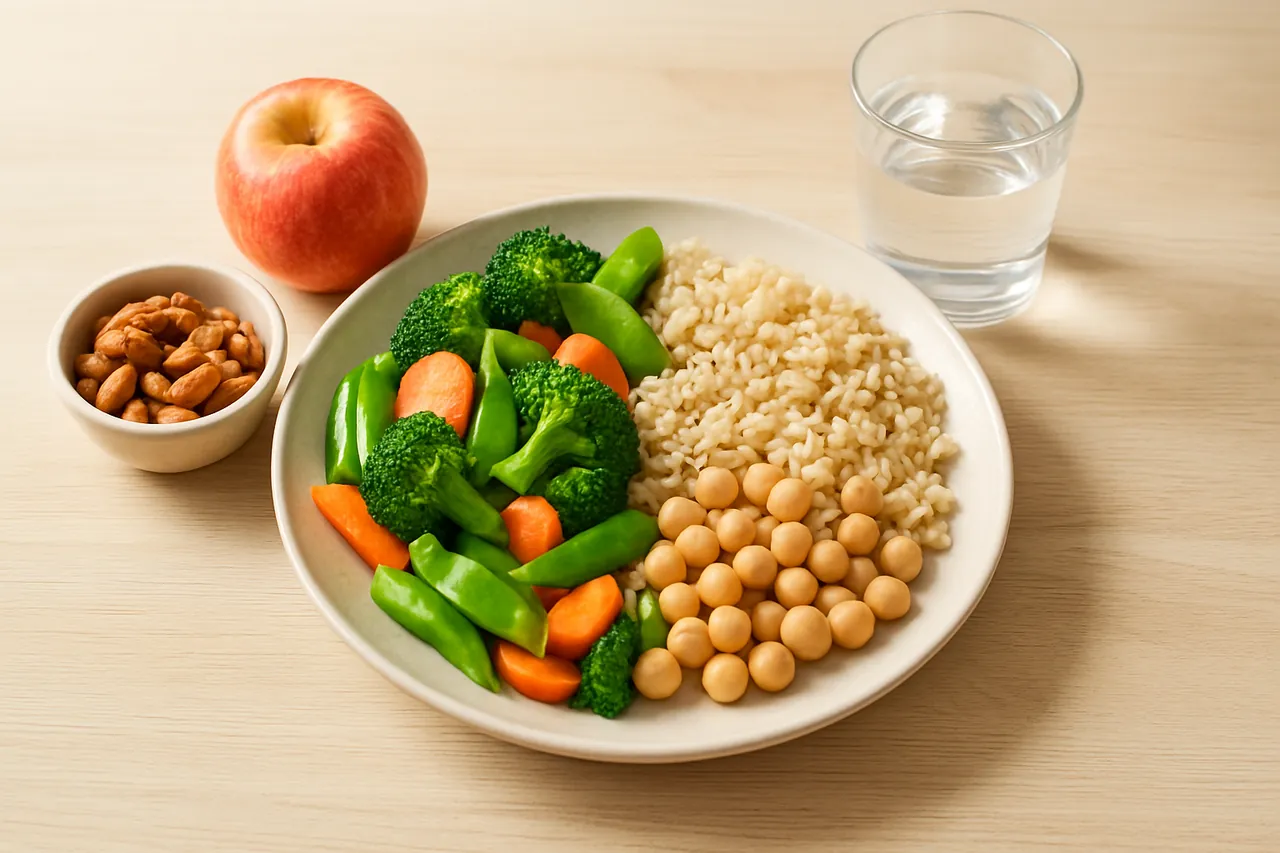
Good nutrition is a foundation for overall wellbeing, influencing both physical health and mental wellbeing. The Australian Dietary Guidelines offer evidence-based recommendations intended to promote health and reduce the risk of diet-related disease. In everyday life, useful starting points include eating a varied range of nutritious foods, making plants a larger part of meals and staying hydrated.
Make more room for plant-based foods
Eating more plant-based foods is a practical, sustainable way to support health. It does not require becoming vegetarian or vegan: the aim is to increase the proportion of plants you eat each day. Vegetables, fruit, legumes such as beans, lentils and peas, wholegrain cereals, nuts and seeds can all help form the foundation of your meals.
Alongside these foods, include small amounts of lean protein, such as chicken, fish or tofu, as well as healthy fats and options such as low-fat dairy products. Variety matters: a broad selection of healthy foods helps supply the vitamins and minerals your body needs, while making eating more enjoyable.
Why plants and wholegrains matter
Plant-based foods contain nutrients that support many of the body’s systems, including fibre, vitamins, minerals, antioxidants and phytonutrients. Phytonutrients are compounds that have protective roles in long-term health. Choose different types of plant foods rather than relying on a narrow selection, and look for a range of colours when choosing vegetables and fruit.
Dietary fibre supports a healthy gut microbiome and gut health. Wholegrains, including brown rice, wholemeal pasta, grainy bread and oats, are useful sources of fibre. These foods can also help lower cholesterol and improve heart health, giving you another reason to choose them instead of refined grain options.
Plant-based diets are also considered anti-inflammatory. Chronic inflammation can contribute to conditions including heart disease, type 2 diabetes and depression. Mediterranean-style eating patterns, which include plant foods and healthy fats from extra virgin olive oil and oily fish, have been linked with lower inflammation levels. These fats are also important for heart health.
Choose mostly whole foods
Build most of your plate around nutrient-rich, minimally processed foods. This principle applies across all food groups, including plant-based choices. A plant-based label does not necessarily mean a food is a nutritious everyday option: highly processed ready meals, packaged snacks, plant-based sausages and burgers can contain substantial amounts of added sugar, sodium and unhealthy fats.
Choose whole-food options wherever possible. Highly processed foods and discretionary foods, such as cakes, biscuits, crisps and soft drinks, are best kept to occasional, small portions rather than becoming the mainstay of your eating pattern.
Stay hydrated and consider your drinks
Hydration deserves attention alongside food, especially during hot weather and exercise. Good hydration has been shown to matter for mood and performance. Drink regularly throughout the day instead of waiting until you feel thirsty, and consider what you are drinking as well as how often you reach for a drink.
Water is the best choice; avoid sugary drinks and alcohol. Keeping a reusable water bottle with you can provide a reminder to drink regularly, while also saving money and reducing environmental impact. It is a simple way to make water more convenient throughout the day.
Simple ways to make meals more plant-focused
Try filling half your plate with vegetables, with fruit, wholegrains, legumes, nuts and seeds featuring regularly across your meals. Replace some of the meat in soups, stews, curries, bolognese or salads with lentils, chickpeas, black beans or kidney beans. Start with one meat-free meal each week, then add more over time.
Choose wholegrain bread rather than white bread, and keep canned beans, frozen vegetables and wholegrains available for quick meals. Select low-salt canned or frozen options where possible. For snacks, choose nuts, fruit or vegetables instead of processed snack foods.