
Breakfast is often called the most important meal of the day, yet it can be the first thing dropped from a busy morning routine.
Between getting ready, taking children to school and heading out, grabbing a coffee may seem easier than eating. A little planning can make breakfast more manageable, even when time is short.
A nutritious breakfast can support energy, concentration and mood. Whether you wake early or press snooze several times, you can find an approach that fits your morning.
Why breakfast matters
After a night’s sleep, you have gone hours without food. Eating breakfast helps replenish glucose levels and gives your body fuel for the start of the day. Nutritious choices also provide an opportunity to include a range of nutrients early on.
Research suggests that breakfast can support concentration, mood and energy levels. It may also help with managing weight over time. Eating breakfast has been linked with a lower risk of chronic conditions, including type 2 diabetes and heart disease, though that link does not mean breakfast alone determines those outcomes.

For children and young people, breakfast may make a difference during the school day. A study published by the University of New South Wales in Australia found that students who ate breakfast showed better concentration, greater motivation and academic performance, and more positive learning outcomes than those who skipped it. These findings concern students, rather than UK adults.
What goes into a balanced breakfast
A balanced breakfast combines foods that contribute different nutrients. Protein, wholegrains, healthy fats, and fruit or vegetables can all have a place, without requiring an elaborate meal.
Protein supports muscle and organ health. Eggs, yoghurt and milk are options, alongside nuts and legumes. You can choose ingredients you enjoy and combine them with other breakfast foods.
Wholegrains provide fibre and sustained energy. Rolled oats, wholemeal bread and wholegrain cereals can form a base for breakfast, with fruit, yoghurt or eggs added to make a meal.
Healthy fats aid nutrient absorption and can help you feel fuller for longer. Depending on what you are making, you might include avocado, nuts, seeds or olive oil.
Fruit and vegetables provide vitamins, minerals and fibre. Add fresh or frozen fruit to cereal or smoothies, or serve vegetables as part of a cooked breakfast or on the side. Frozen produce can be useful when you have not bought fresh ingredients.
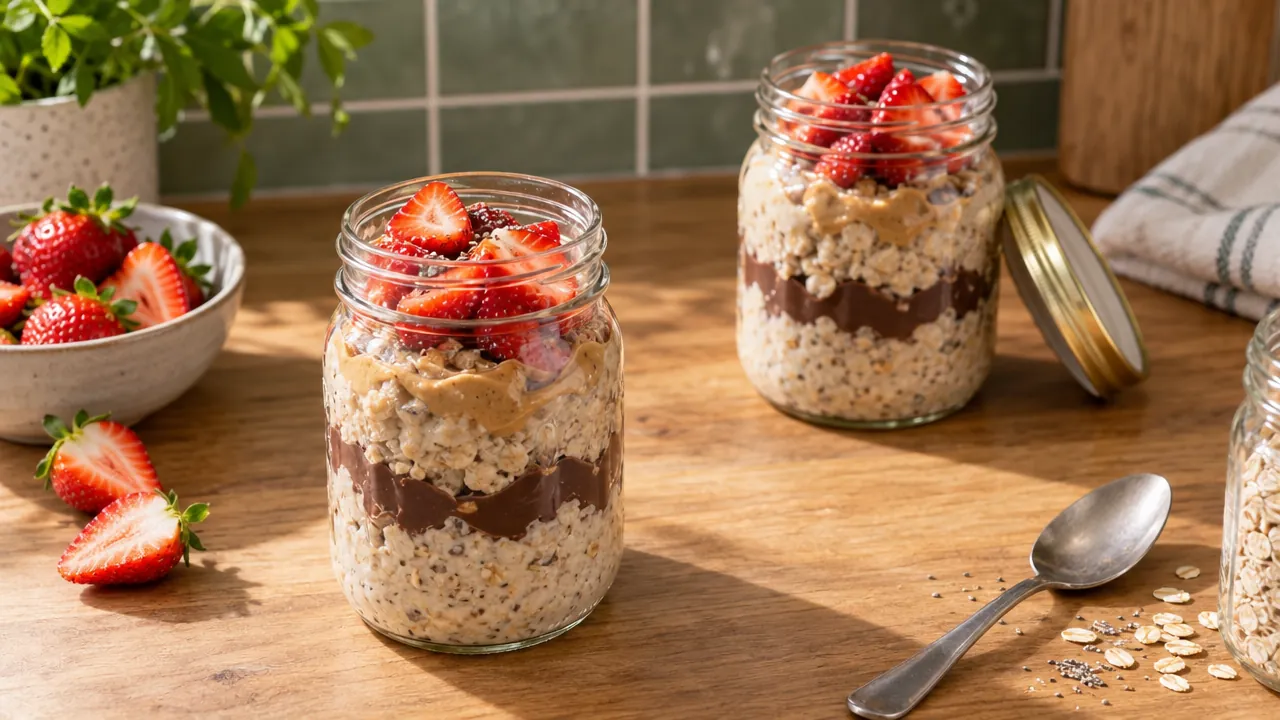
Starting the day with 20–30 grams of protein may help you feel fuller for longer and sustain energy through the morning. Eggs, cottage cheese and Greek yoghurt are examples; plant-based possibilities include tofu and quinoa. These are choices to combine according to your preferences, not a requirement to eat the same breakfast every day.
Making breakfast a habit
When mornings are rushed, start by deciding what to eat before the day begins. A meal plan and shopping list can help you keep quick, nutritious choices available rather than leaving the decision until you are heading out.
You can also prepare food in advance. Breakfast muffins, vegetable fritters and overnight wheat biscuits are options to make ahead and pick up when you leave. Doing some of the preparation earlier takes a task out of the busiest part of the morning.
The freezer offers another way to plan ahead: batch-cook breakfasts and freeze them for busy days. Frozen berries are also handy for adding to cereal or smoothies when fresh fruit is not available.
If your schedule allows, setting your alarm ten minutes earlier can give you more time to eat without rushing. If sitting down is impractical, boiled eggs, breakfast wraps or protein smoothies in sealed containers are portable choices for a journey to work, school or university.
Quick breakfast ideas
For overnight oats, combine rolled oats with milk or a dairy-free alternative, chia seeds and your choice of fruit. Refrigerate the mixture overnight, then top it with nuts or seeds in the morning.
For a savoury breakfast, top wholegrain toast with mushrooms, tomato and eggs. It brings together wholegrains, vegetables and a protein-containing ingredient without much assembly.
To make a smoothie bowl, blend spinach, banana, Greek yoghurt and a handful of berries. Pour it into a bowl and add granola and sliced almonds on top.
If you prefer layers to a blended bowl, make a berry and yoghurt parfait. Layer oats, yoghurt, nuts, seeds and seasonal berries for a combination that includes vitamins and minerals.
Homemade breakfast muffins can be baked ahead with wholemeal flour and grated vegetables, such as courgette or carrot. Adding nuts or seeds brings extra nutrients, and the finished muffins are easy to take with you.
When breakfast gets skipped
Skipping breakfast can seem like a simple way to save time. It may, however, leave you low on energy, make concentration harder or lead to overeating later in the day. Missing breakfast has also been linked with lower physical activity and poorer food choices, though a link does not show that skipping one meal causes those habits.
A study from the Kids Research Institute Australia found that students who skip breakfast are more likely to have lower academic performance. This is an Australian finding about students, not a measure of outcomes for UK adults.
A nutritious breakfast need not be complicated. Combining a few foods, preparing something ahead or keeping a portable choice ready can make it easier to eat in the morning and start the day with energy.